Filter by Genre
Publishers
- Penguin Random House
- HarperCollins Publishers
- Simon & Schuster
- Macmillan
- Hachette
- Scholastic
- Bloomsbury
- Ace publisher
- Gallery / Saga Press
- Thomas & Mercer
- Independent / Self-Published
- Ballantine Books
- Katherine Tegen Books
- Little, Brown and Company
- Knopf
- Vintage
- Tiny Reparations Books
- Delacorte Press
- Berkley
- Del Rey
- Harper Voyager
- MIRA
- Gallery/Scout Press
- 37 Ink
- Flatiron Books
- William Morrow
- G.P. Putnam’s Sons
- Saga Press
- Roc Lit 101
- Amistad
- Crown Books for Young Readers
- Scholastic Press
- Dafina
- Thomas Nelson Fiction
- Kensington
Filter by Mood
Discovery Pathways
Availability
Filter by Price
Filter by Rating
Gene Kim Books
1 Books
Gene Kim
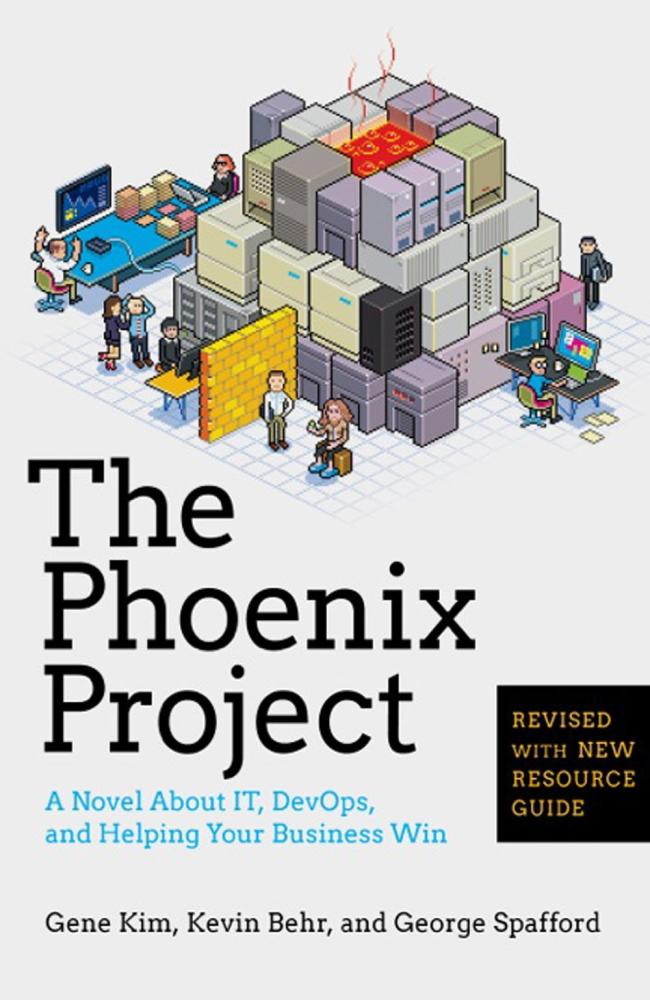
Gene Kim is a bestselling author, researcher, and technology leader known for his work on DevOps, organizational performance, and the ways technology teams can work more effectively. He has spent decades studying high-performing technology organizations and exploring how better systems, collaboration, and workplace practices can improve both business results and the experiences of the people doing the work. Kim is the co-author of *The Phoenix Project*, *The DevOps Handbook*, and *Accelerate*, and the author of *The Unicorn Project*. Through both fiction and research-driven nonfiction, he translates complex ideas about technology, leadership, workflow, and organizational change into lessons readers can apply to ... Gene Kim is a bestselling author, researcher, and technology leader known for his work on DevOps, organizational performance, and the ways technology teams can work more effectively. He has spent decades studying high-performing technology organizations and exploring how better systems, collaboration, and workplace practices can improve both business results and the experiences of the people doing the work. Kim is the co-author of *The Phoenix Project*, *The DevOps Handbook*, and *Accelerate*, and the author of *The Unicorn Project*. Through both fiction and research-driven nonfiction, he translates complex ideas about technology, leadership, workflow, and organizational change into lessons readers can apply to real-world challenges. For readers working in technology, business, operations, or leadership, Kim’s books go beyond technical processes. His work explores what happens when overloaded teams, competing priorities, outdated systems, and organizational silos collide—and how people can rethink the way work gets done. His writing is particularly valuable for readers who enjoy learning through practical examples and recognizable workplace problems.